
In short: support everyday gut health by getting fibre from a variety of foods, increasing it gradually, drinking enough fluid for your circumstances, and keeping meals regular. Start with one extra fibre-rich food a day rather than making a sudden, extreme change.
At a glance
- Get fibre from different plant foods rather than relying on one powder, juice, or ingredient.
- Add one food change at a time and pair it with appropriate fluid. Keep meals and movement reasonably regular.
- A probiotic is an optional comparison, not a substitute for the routine. Evidence for one strain does not establish the effect of every product.
Fibre is a pattern, not one “superfood”
Different plant foods bring different types of fibre and nutrients. Build variety across whole grains, beans and lentils, vegetables, fruit, nuts, and seeds according to your needs and tolerance. No single juice, powder, or ingredient creates a complete gut-health routine.
The World Health Organization describes dietary diversity as one of the principles of a healthy diet. Look at the week rather than judging one meal.
Add fibre in small, practical steps
A sudden increase can feel uncomfortable for some people. Change one meal or snack at a time and give your body time to adjust. Examples include adding oats at breakfast, choosing a whole-grain option, adding beans to a familiar dish, or serving an extra vegetable with dinner.
- Keep edible skins on fruit or vegetables when appropriate and well washed.
- Add lentils or beans to soup, curry, salad, or a rice dish.
- Rotate colours and plant sources across the week.
- Choose a change you genuinely enjoy enough to repeat.

Pair the change with enough fluid
Fibre and fluid work together in normal digestion. Spread drinks through the day and respond to heat, activity, and individual needs. People with fluid restrictions or particular medical conditions should follow professional advice rather than a generic target.
If you increase fibre but drink very little, the change may be harder to tolerate. Add the food and hydration cue together—for example, fruit plus water during a regular afternoon break.

Keep meals and movement reasonably regular
Long gaps followed by very large meals can be uncomfortable for some people. A repeatable meal rhythm and everyday movement help you observe what agrees with you. Keep a brief note of foods, timing, symptoms, sleep, and stress when you are trying to understand a pattern.
Do not remove several food groups based only on a short period of bloating. Restrictive diets can create nutritional gaps and are better planned with an appropriate healthcare professional or dietitian.
Understand where probiotic products fit
“Probiotic” describes live microorganisms, but effects cannot automatically be transferred between strains, doses, products, or health situations. A product label should identify what it contains, how it should be stored, and how it is intended to be used.
If you have a clear reason to compare products, use the gut, immune and respiratory collection as a starting point, then read the exact label. Do not use a product to delay assessment of persistent bowel changes or other concerning symptoms.
Considering a probiotic alongside your routine?
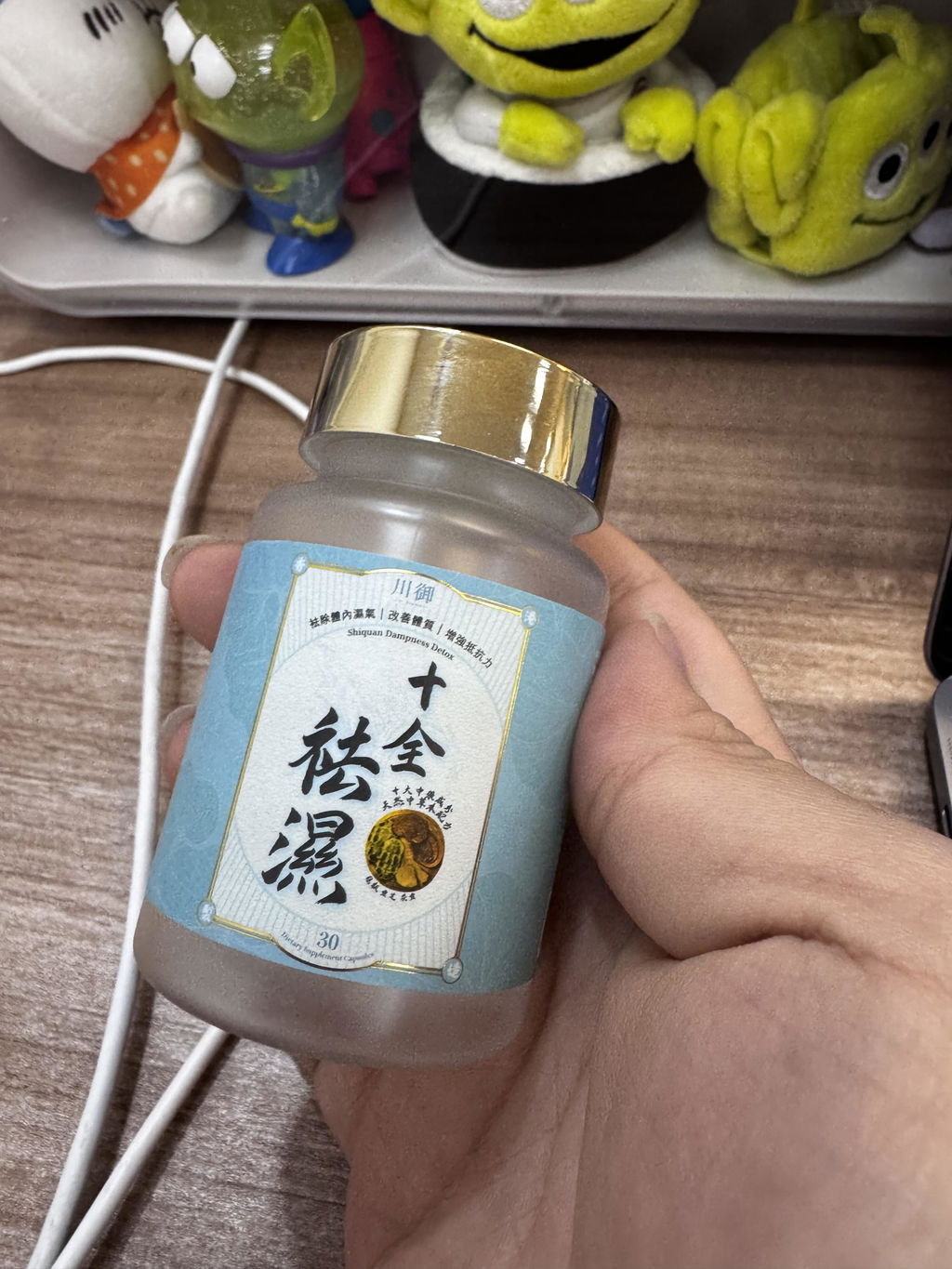
Keep the fibre, fluid and meal habits above as your starting point. If you have decided to compare probiotic supplements as an extra step, 川御 Probiotics is one option to assess by its formula and everyday use.
- A capsule format for a regular routine The pack contains 30 capsules, with basic maintenance directions of one capsule once daily. That gives you a clear basis for planning use and comparing pack value.
- A formula to compare ingredient by ingredient It lists SynPro and AbKefir alongside corn-derived soluble fibre, galacto-oligosaccharides and xylo-oligosaccharides. Read the full list to decide whether this combination matches what you are looking for.

The current product label says not to use during pregnancy or breastfeeding.
Know the signs that need professional advice
Seek appropriate advice for persistent or severe abdominal pain, blood in stool, black stool, repeated vomiting, fever, unexplained weight loss, dehydration, a lasting change in bowel habits, or symptoms that wake you or interfere with daily life. Infants, older adults, pregnant people, and people with significant health conditions may need earlier, individual guidance.
For a wider routine, combine this guide with the acc+ two-week habit plan.
A seven-day fibre-first challenge
- Choose one meal that is currently low in plant foods.
- Add one familiar whole grain, pulse, vegetable, fruit, nut, or seed.
- Pair it with an appropriate drink.
- Repeat for a week before adding another change.
- Adjust for tolerance and seek advice when symptoms persist.
Frequently asked questions
Should I increase fibre as quickly as possible?
No. Start with one meal or snack and see how you tolerate the change. Include appropriate fluid instead of adding a large amount of fibre all at once.
Do I need a probiotic product for everyday gut health?
Not automatically. Start with food variety and routine. If you compare probiotics, check the exact strains, intended use, storage, and personal suitability. Findings for one probiotic do not apply to every formula.
Is bloating always a sign that I ate the wrong food?
No. Meal size, timing, a sudden dietary change, constipation, stress, and other causes can matter. Persistent, severe, or concerning symptoms need assessment rather than repeated guesses about one food.
Should I cut out several food groups to find the cause?
Avoid removing several groups based only on a brief period of bloating. Keep a simple food and symptom record first. If symptoms persist, discuss the pattern with a healthcare professional or dietitian before making a restrictive plan.