
In short: choose an everyday care product by matching it to the body area and intended use, then read the full label before applying it. Use clean hands, follow the directions, keep the container closed and stored correctly, and stop if you develop an unexpected reaction.
At a glance
- Choose by the exact body area and intended use. A familiar texture or ingredient does not make every application suitable.
- Read the complete label, use clean hands or tools, and keep the original container closed and stored as directed.
- Introduce new products separately when practical. Stop for unexpected reactions and retain the details needed to identify the product.
Begin with the body area and purpose
“Daily care” covers very different products: cleansers, creams, oils, sprays, patches, oral-care items, and more. Start with where the product will be used and what the label says it is designed to do. A product intended for intact body skin is not automatically suitable for the face, eyes, lips, broken skin, or inside the mouth.
Avoid extending a product’s use because the texture or ingredients look familiar. Intended use, directions, and warnings belong together.
Read the entire label, not only the front
Check the ingredient list, directions, warnings, storage instructions, responsible company details, batch information, and any date or use-after-opening symbol. Words such as “natural”, “organic”, or “hypoallergenic” do not by themselves guarantee that a product will suit your skin or avoid an allergic reaction.
If you have known allergies or sensitivities, read the full list each time. Product names can stay the same while packaging or formulas change.
Use a new product carefully
Follow any label instruction for testing or gradual introduction. Apply only to the intended area, use clean hands or a clean applicator, and do not mix products in the container. Avoid sharing products that make direct contact with skin, eyes, or lips.
Adding several new products at once makes it harder to identify the cause of a reaction. Introduce them separately when practical and keep a note of when each one started.

Keep the product clean and stable
Close lids and caps properly, keep applicators clean, and protect the product from temperature extremes unless the label says otherwise. Hong Kong bathrooms can be warm and humid, so a dry storage location may be more appropriate for some products.
Do not keep using a product that has changed unexpectedly in smell, colour, or texture, or whose container is damaged or contaminated. Keep it in the original labelled container so directions and batch information remain available.

Respond to unexpected skin reactions
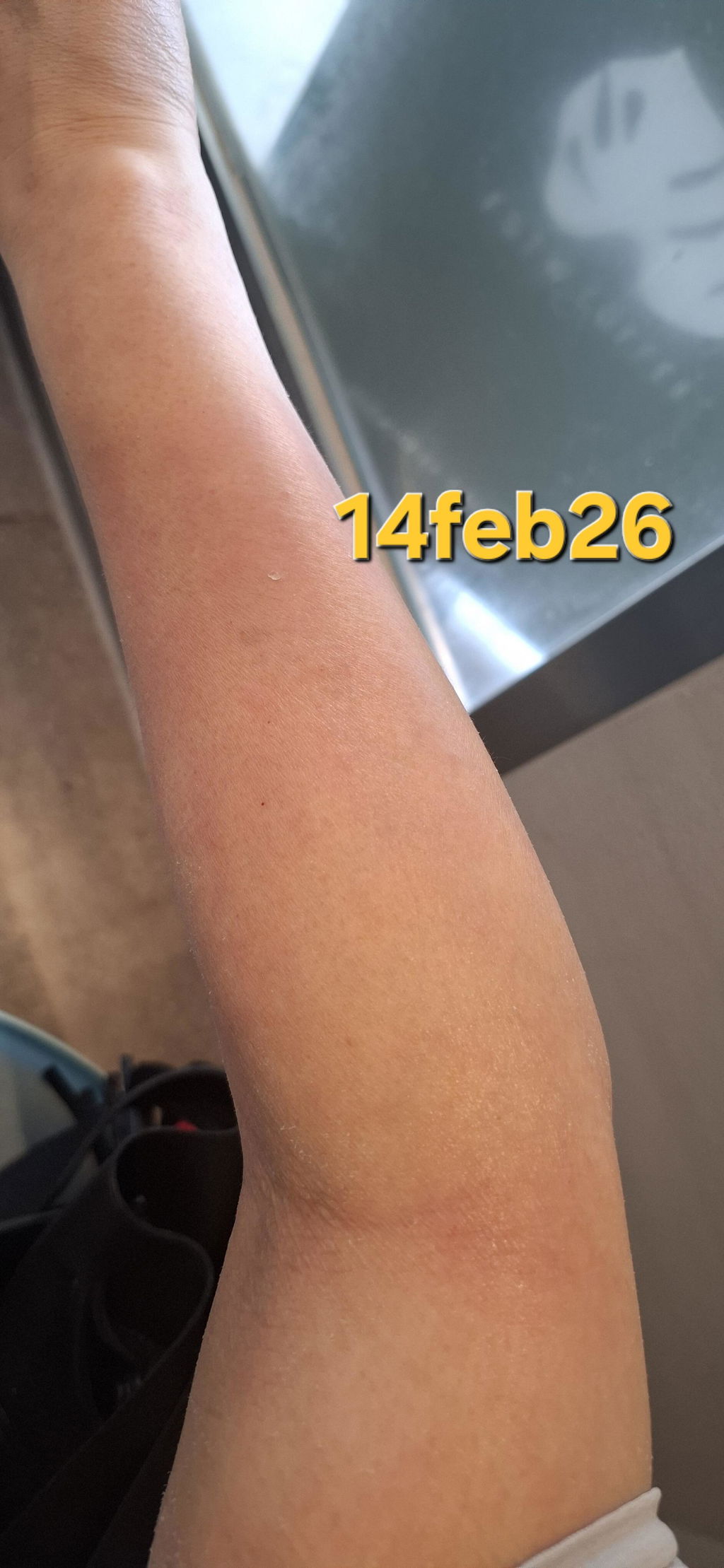
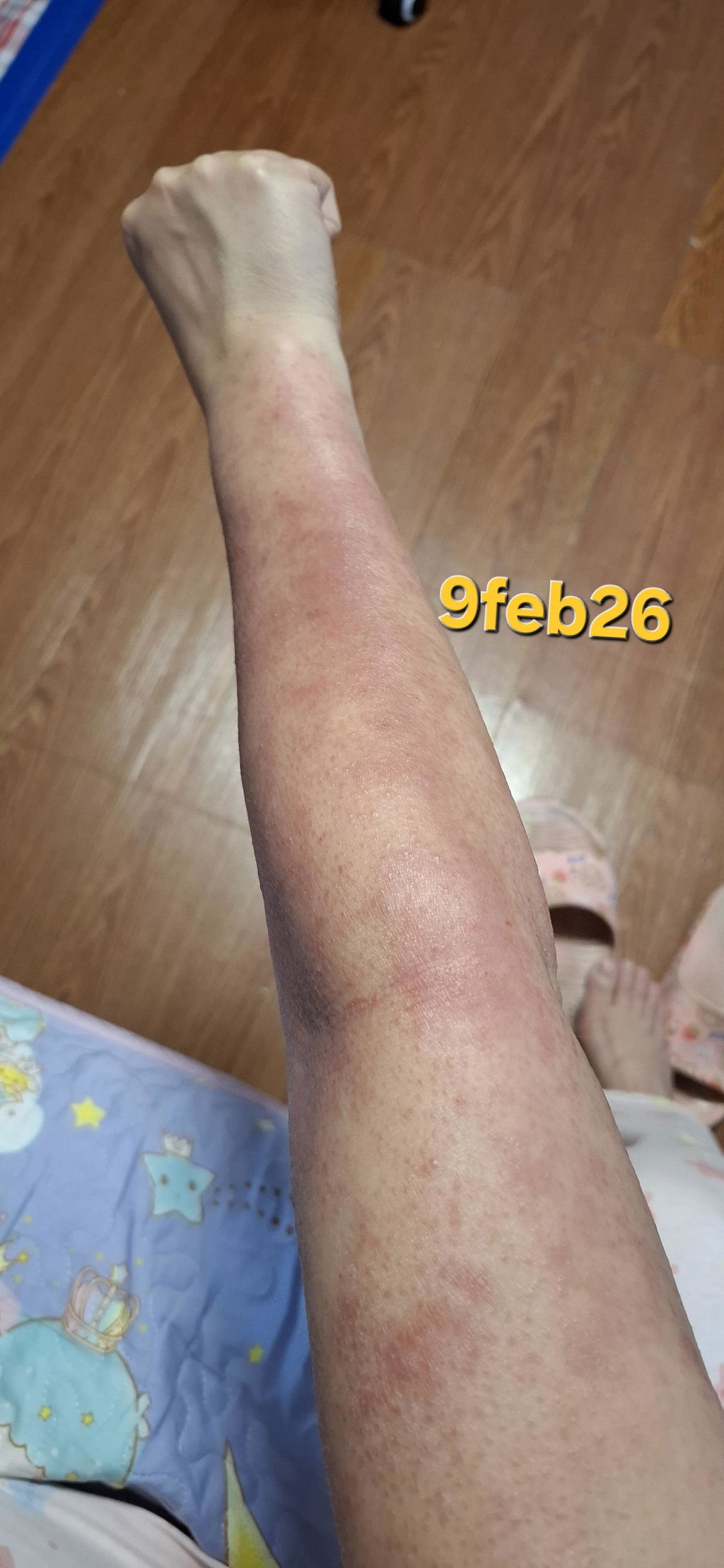
Stop using the product if you develop unexpected redness, burning, swelling, rash, or other irritation. Rinse when appropriate for the product and seek advice from a healthcare professional if the reaction is significant, persists, involves the eyes or breathing, or otherwise concerns you. Urgent symptoms require urgent care.
Keep the product and record the name, batch, where it was applied, timing, and photographs when possible. Contact the retailer or responsible company so the exact item can be investigated.
Compare products without chasing promises
Useful comparisons are specific: intended area, instructions, texture, fragrance, allergens, packaging hygiene, and how the product fits your routine. Marketing promises are less useful than a label you can understand and a routine you can follow consistently.
Browse the daily care and comfort collection by intended use, then read the physical label before first use. Use the acc+ label-reading sequence as a general comparison habit, while remembering that cosmetic and supplement labels have different requirements.
Want a moisturising cream without a heavy feel?
Texture belongs in the buying decision because it affects whether you want to use a cream regularly. If you are comparing moisturising formulas with a less greasy feel, take a closer look at 森源 鱷敏膏.
- Compare the feel you prefer The brand describes the cream as smooth, easy to absorb and non-greasy. That makes its texture worth considering alongside the cream you already use.
- Look beyond the product name The brand describes a formula that combines oils and moisturising factors. Check the full ingredient list against your preferences and known sensitivities before choosing.

1盒裝
Current price HK$239.00 HKDPrevious price HK$299.00 HKD
Available to order
View the cream and choose your packFor first use, follow the brand's small-area trial advice and the pack's directions. Stop if an unexpected skin reaction develops.
A first-use checklist
- The product is intended for the exact body area.
- The full directions and warnings are clear.
- Ingredients and allergens have been checked.
- Hands or applicators are clean.
- Storage and closing instructions are practical for your home.
- You know what to do if an unexpected reaction occurs.
Frequently asked questions
Does natural mean less likely to irritate my skin?
No. Ingredient origin alone does not tell you whether a product will suit you. Read the full ingredient list, check known sensitivities, and follow any testing instructions on the label.
Can I use the same cream on my face, eyes, and body?
Only where the label specifically allows it. Products for body skin are not automatically suitable for the eyes, lips, face, broken skin, or internal use. Check the intended area before applying.
Can I keep using a product if its smell or colour changes?
Stop using it if the change is unexpected. Check the storage instructions and container condition, and contact the retailer or responsible company. Do not cover the change by mixing something into the product.
What should I record if I have an unexpected reaction?
Keep the product, original container, batch details, and purchase record. Note where and when you used it and photograph the reaction when possible. Significant or persistent symptoms need healthcare advice. Breathing difficulty needs urgent care.